
My daughter with Pompe disease is brave, but every kid has their limits
Sometimes we forget that resilience isn’t the same as fearlessness
Written by |
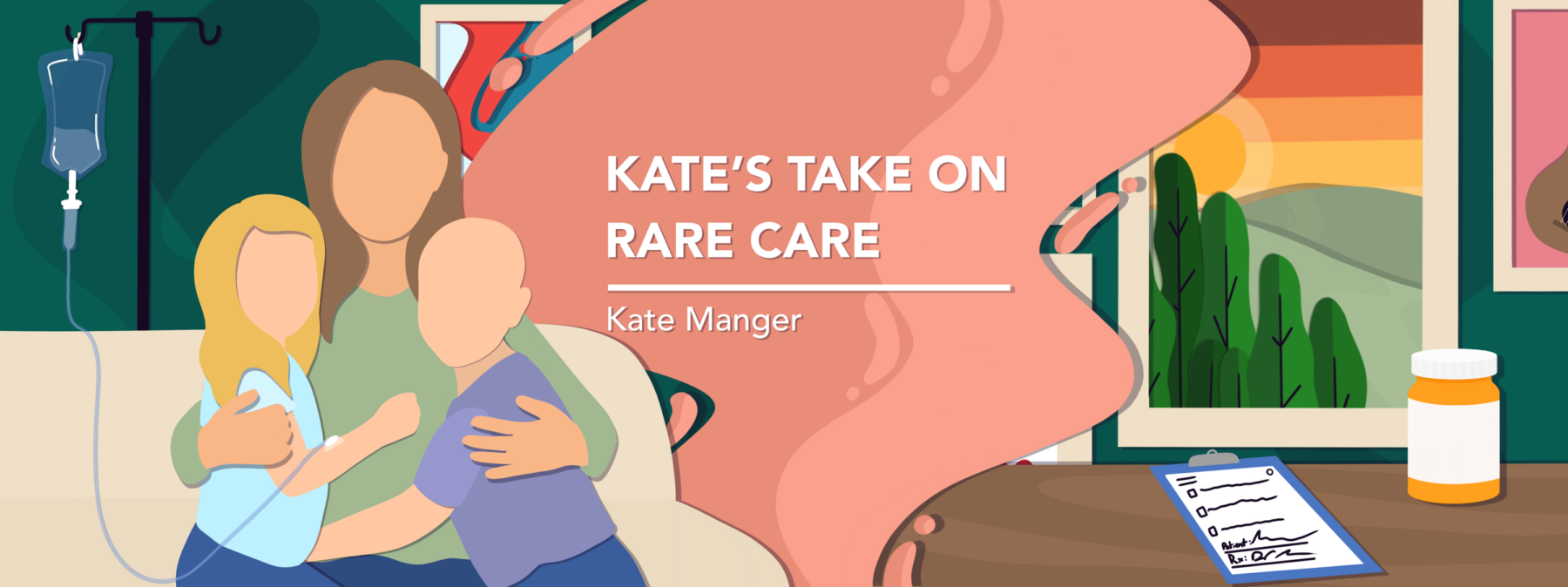
Every fall, I round up my kids for their flu shots. And every time, you’d think I was asking them to endure some sort of medieval torture. There’s bargaining, pleading, and all sorts of creative attempts to get out of it. No one is excited for flu shot day, but as their mom, I know it’s important, so we do it anyway.
So when our pediatrician’s office announced a trunk-or-treat event where families could also get their flu shots, I was all in. If we had to deal with the tears and drama anyway, at least we could get a little Halloween fun out of it. Plus, this time, my husband and I could roll up our sleeves right alongside the kids.
As we planned our weekend, we started joking with the kids about how it would all go down. My oldest would probably cry the most. My 4-year-old would be clueless until the needle was already in his arm. And Caroline, my 8-year-old? We all agreed she’d be the easy one.
After all, Caroline has late-onset Pompe disease. Every other week, she gets enzyme replacement therapy through her port. She’s had more blood draws and medical tests than most kids her age could imagine. Compared with all that, a quick flu shot in the arm seemed like no big deal.
Caroline agreed with us. She nodded along, confident and a little proud, as we talked about how brave she’d be. She’s practically a pro when it comes to needles. I didn’t give it a second thought. Honestly, I was more focused on getting her siblings through it.

Even the bravest kids get scared sometimes
A few days later, we showed up at the pediatrician’s office. The kids got their flu shots, and, just as I predicted, there were some winces and a fair bit of drama. We survived. Then it was Caroline’s turn. She’d asked to go last, which seemed fine. But as soon as the nurse came toward her, everything shifted.
Caroline started to cry. She backed away, yelled that she didn’t want the shot, and tried to escape. No amount of coaxing could get her on the table. She was scared, she told us, and wanted nothing to do with that needle. She even asked if her home health nurse could give it to her instead.
I just stood there, stunned. This was the child I’d been so sure would be our easiest. She knows the routine, understands why we do these things, and has faced much scarier needles. I’d braced myself for her siblings’ reactions, but not for hers.
My mind raced. Was she just looking for attention? Had she been nervous all along but felt like she had to be the brave one for us? Was it just a rough day? Or maybe she was just a little girl who didn’t want a flu shot.
I realized I’d spent so much time thinking about Caroline’s experience with needles as part of her medical life that I hadn’t stopped to think about how she might feel about this one. She handles so much; I just assumed she could handle this, too.
But maybe that wasn’t fair. Caroline has learned to put up with things most kids her age never even think about. She sits through infusions. She lets nurses access her port. She goes through tests and procedures because we know it’s what she needs.
We celebrate her bravery, and she deserves it. But somewhere along the way, I think I started to expect it. I don’t know why that flu shot was her breaking point. Maybe she’d been nervous all along. Maybe it was easier to be brave when we were joking at home, but harder when the moment came. Maybe she just wanted someone familiar to help her through it. Or maybe she was just tired of being brave.
As parents, we love to celebrate our kids’ resilience when they face medical challenges. We talk about how strong they are, how well they handle everything, and how much they go through. We’re proud of them, and we want them to feel proud of themselves, too.
But I think sometimes we forget that resilience isn’t the same as fearlessness. A child can be brave one day and scared the next. She can handle a big needle in her chest every other week and still be afraid of a little one in her arm. She can know something is important and still not want to do it. None of that makes her any less brave.
That day reminded me that Caroline’s medical experiences don’t take away her childhood. She’s still allowed to be scared, to say no, to have limits, and to need a little extra comfort. Her diagnosis doesn’t mean she has to be the strongest one in the room every time.
I went into that appointment thinking Caroline would be our easiest patient. I left reminded that I don’t get to decide what bravery looks like for her. Sometimes, the child who’s been through the most just needs to hear, “Not today is OK.” Sometimes, being a good parent means remembering that even the bravest kids have limits.
Note: Pompe Disease News is strictly a news and information website about the disease. It does not provide medical advice, diagnosis, or treatment. This content is not intended to be a substitute for professional medical advice, diagnosis, or treatment. Always seek the advice of your physician or other qualified health provider with any questions you may have regarding a medical condition. Never disregard professional medical advice or delay in seeking it because of something you have read on this website. The opinions expressed in this column are not those of Pompe Disease News or its parent company, Bionews, and are intended to spark discussion about issues pertaining to Pompe disease.


Leave a comment
Fill in the required fields to post. Your email address will not be published.