
Parenting a child with Pompe comes with worries about an uncertain future
I can be grateful for Caroline’s treatment and still wish she didn’t need it
Written by |
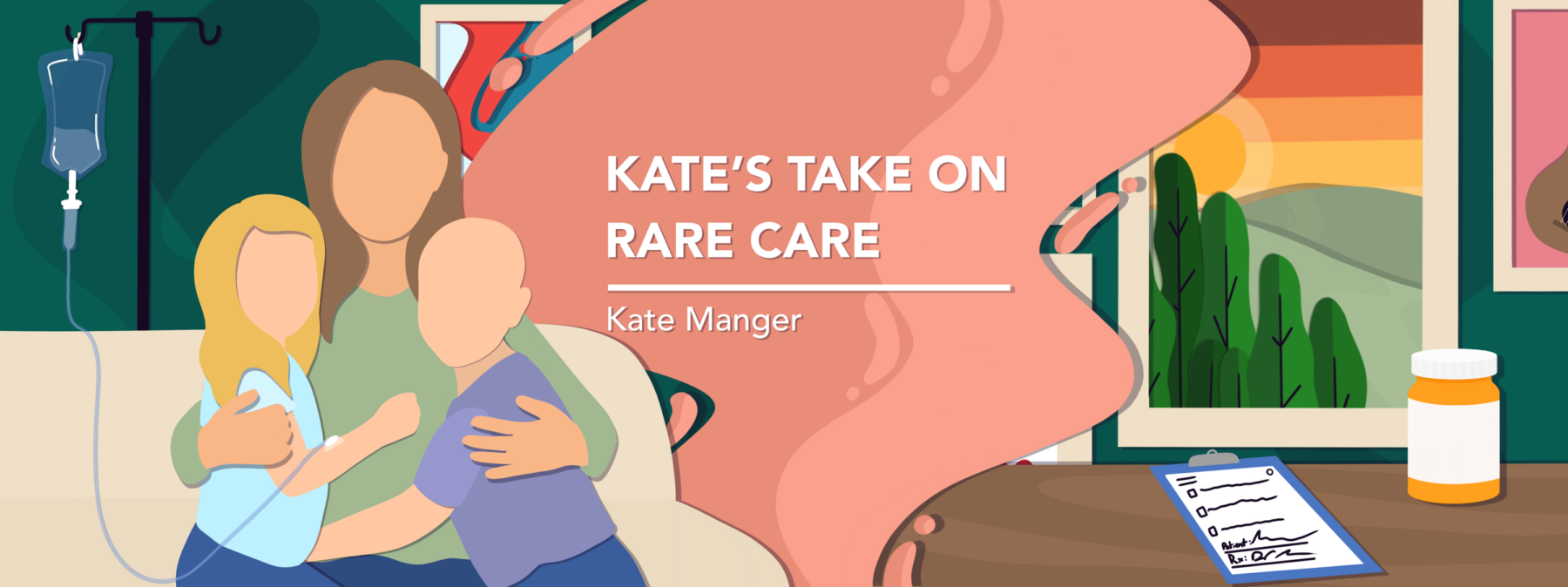
As the mother of an 8-year-old with late-onset Pompe disease, I think about her future a lot, but not in an obvious or dramatic way. I’m not always sad or anxious; like any mom, I’m busy getting the kids to school, making dinner, and juggling the chaos of family life.
Still, sometimes an internal question sneaks in: What will Caroline’s life look like in five, 10, or 20 years?
Caroline’s condition affects muscle strength. She started treatment before her first birthday, but it’s not a cure. We’re lucky to have it, but no one knows exactly what her future will look like — and that’s where my mind drifts.
Am I grieving something I’ve lost, or worrying about something that might never happen? It’s hard to separate the two. Raising a child with a progressive disease means you’re grateful for today while quietly wishing for more certainty about tomorrow.
But then again, don’t all parents worry about their kids’ futures? We all wonder if they’ll be happy, make good friends, and find their place, and whether we’re preparing them enough for the world.

Protecting an ordinary childhood
Motherhood comes with endless questions about things we can’t control. So what makes my worry any different?
Maybe it’s knowing that Caroline’s diagnosis could truly change her life. Other parents worry about challenges, but I know this disease could shape her future in unpredictable ways. I’ve read the research, and while treatments help, there’s still so much we don’t know.
My worries have a diagnosis. Does that make them different, or just easier to name?
Sometimes I wonder if I give Pompe disease too much space in my mind. Caroline goes to school, laughs with her friends, gets frustrated, and looks forward to the same things other kids do. Her disease is part of her life, but not her whole life.
I want to protect that ordinary childhood for her — to let her enjoy what’s happening now, without the weight of a future she can’t understand yet.
But I know I experience her childhood differently than she does. When Caroline’s having a good day, she’s just having a good day. I’m grateful, too, but I can’t help but wonder how many more days like that we’ll have. I try to be present, but part of me always looks ahead.
Which brings me to another question: Can any parent really live in the present?
All parents think about the future, whether it’s saving for college, worrying about driving, or hoping their kids grow into healthy, independent adults. Sometimes we get so caught up in what’s next that we forget to enjoy what’s happening now.
Maybe the difference for parents like me is that we have a specific reason to fear how fast things could change. Or maybe that doesn’t really matter.
Is my reality really different, or is reality just relative? What’s heavy for me might be normal for someone else. We all carry our own uncertainties and rarely know the full weight someone else is holding.
I can’t assume my worries are bigger than another parent’s just because they have a diagnosis. But I don’t need to minimize what makes my experience different, either.
Both things can be true. All parents live with uncertainty, and Pompe disease just gives mine a particular shape. I can be grateful for Caroline’s treatment and still wish she didn’t need it. I can love her life today and still wonder about tomorrow.
Maybe that’s what I’m still learning: I don’t have to decide if what I feel is grief or worry — I can just admit that it’s there.
I don’t need to justify my fear or compare it to others. I don’t have to get rid of it to enjoy life with Caroline. I can let her be a child, let myself be her mom, and try again and again to meet the life we have, not just the one I worry about.
I know I’ll always wonder about Caroline’s future. That’s what moms do. We love our kids and want them to be OK. The difference is, I’m learning to live with a question I can’t answer. Maybe it’s not only grief or worry. Maybe it’s simply what it means to love someone whose future you can’t take for granted.
Note: Pompe Disease News is strictly a news and information website about the disease. It does not provide medical advice, diagnosis, or treatment. This content is not intended to be a substitute for professional medical advice, diagnosis, or treatment. Always seek the advice of your physician or other qualified health provider with any questions you may have regarding a medical condition. Never disregard professional medical advice or delay in seeking it because of something you have read on this website. The opinions expressed in this column are not those of Pompe Disease News or its parent company, Bionews, and are intended to spark discussion about issues pertaining to Pompe disease.

Leave a comment
Fill in the required fields to post. Your email address will not be published.