
It’s hard on my child when home infusions interrupt summer fun
I wish she didn't have to miss anything, but I'm grateful for her treatment
Written by |
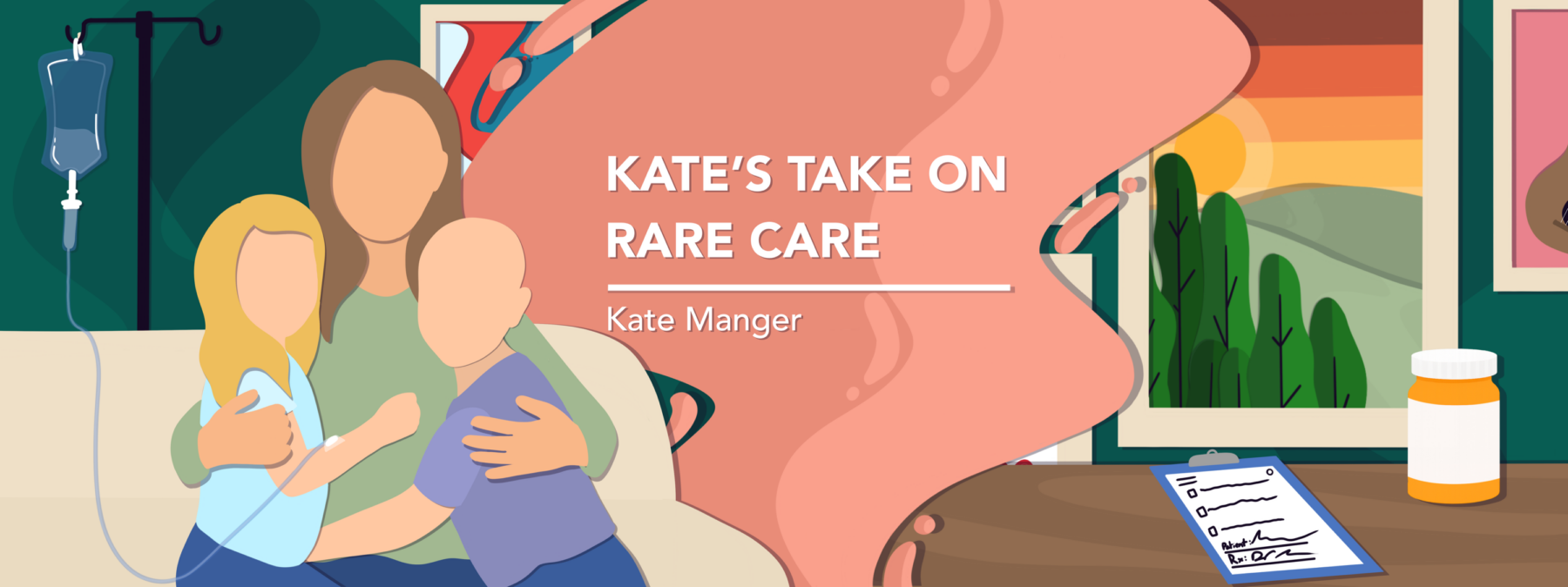
Tomorrow, my daughter Caroline has an infusion.
If you asked her about her summer excitement, she’d talk about the pool. The weather has been beautiful, and we’ve taken full advantage. In these first days of summer, she splashes with friends, races barefoot across the deck, begs for “just five more minutes,” and comes home exhausted in the best way.
In her mind, this is how summer should be: freedom, sunshine, popsicles dripping down sticky fingers, and friends knocking on the door, eager for outdoor adventures.
But tomorrow will be different. While her friends head off to swim in the pool, camp, or enjoy some neighborhood fun, Caroline will stay behind for her at-home enzyme replacement therapy.

Summer brings its own challenges
I’ve expressed my gratitude for home infusions before, and it’s sincere. During the school year, they change everything. Caroline doesn’t need to miss an entire day traveling to the hospital. She can still go to school, keep up with classwork, and maintain a sense of normalcy that families dealing with rare diseases strive hard to preserve. Home infusions have given us so much.
But summer brings its own challenges. It highlights what chronic illness demands of children. It’s the pool party she misses because infusion day falls on the same date, the camp activity she only hears about secondhand, or the spontaneous invitation she has to decline because the nurse arrives in an hour. They seem like small sacrifices in the grand scheme of things — tiny disappointments that pile up. But for a 7-year-old, they don’t feel small at all.
At this age, summer isn’t measured by perspective; it’s about lemonade stands, bike rides, best friends, and participating in everything everyone else is doing.
I don’t take for granted what we’re missing: a skipped day at the pool, a camp activity she has to sit out, an invitation she has to wait on. I know there are children with Pompe disease whose realities are much harsher — those facing severe limitations, constant hospitalizations, and challenges that never take a break. Some kids miss far more than a single day of camp. There are families carrying burdens I can hardly fathom.
That awareness coexists with our reality. It doesn’t erase Caroline’s disappointment, nor does it lessen her frustration when her friends swim while she’s connected to an infusion. Comparison doesn’t lighten the heart of someone so young. But it shapes my perspective as her mother.
While I wish she didn’t have to miss anything, I am profoundly grateful that after this infusion, she’ll be able to pull on her swimsuit, race back to the pool, and pick up right where she left off. That is not something I take lightly.
Caroline didn’t get here alone
As Caroline ages, asking her to pause has become more challenging. It’s harder to convince her to sit still long enough for her port access, and harder to explain why interrupting her fun is necessary. There are days she wonders why she has to do this when other kids don’t.
And frankly, I get it. How do you explain to a 7-year-old that loving yourself means doing things you don’t want to do? That health isn’t always built through dramatic acts of courage, but through consistency — showing up for treatments, enduring inconvenience, making choices today that protect tomorrow’s possibilities? How do you convey that the medicine flowing through her port represents decades of hope?
Caroline didn’t get here alone. Before her, countless individuals lived with Pompe disease — people who participated in clinical trials, families who embraced research despite uncertainty, patients who advocated for better care, scientists who dedicated themselves to understanding the disease, and parents who demanded more for their children. They worked tirelessly toward a future they might never see themselves.
Because of their efforts, Caroline, diagnosed with late-onset Pompe disease, gets to enjoy pool days, camp, sleepovers, and dreams of her future. Her childhood, while interrupted, remains beautifully full.
I don’t know if she fully understands all of this yet. Maybe she doesn’t need to. Perhaps my role isn’t to convince her that missing the pool is fair. Maybe it’s simply to sit beside her in her disappointment and acknowledge that both feelings — frustration about the demands of Pompe disease and the reality that these treatments provide her so much — can coexist.
Tomorrow, we’ll access her port, hang the medication, and settle into another infusion day while summer continues outside our windows. The following day, if the weather cooperates, we’ll head back to the pool. She’ll jump right in without hesitation, chasing friends through the water as if she never missed a moment. Childhood with a rare disease isn’t defined by the days that look perfect but by the resilience and joy found even amid challenges.
Note: Pompe Disease News is strictly a news and information website about the disease. It does not provide medical advice, diagnosis, or treatment. This content is not intended to be a substitute for professional medical advice, diagnosis, or treatment. Always seek the advice of your physician or other qualified health provider with any questions you may have regarding a medical condition. Never disregard professional medical advice or delay in seeking it because of something you have read on this website. The opinions expressed in this column are not those of Pompe Disease News or its parent company, Bionews, and are intended to spark discussion about issues pertaining to Pompe disease.

Leave a comment
Fill in the required fields to post. Your email address will not be published.