
The questions that keep Pompe disease research moving forward
I'm proud of my 8-year-old for continuing to ask about new medical inventions
Written by |
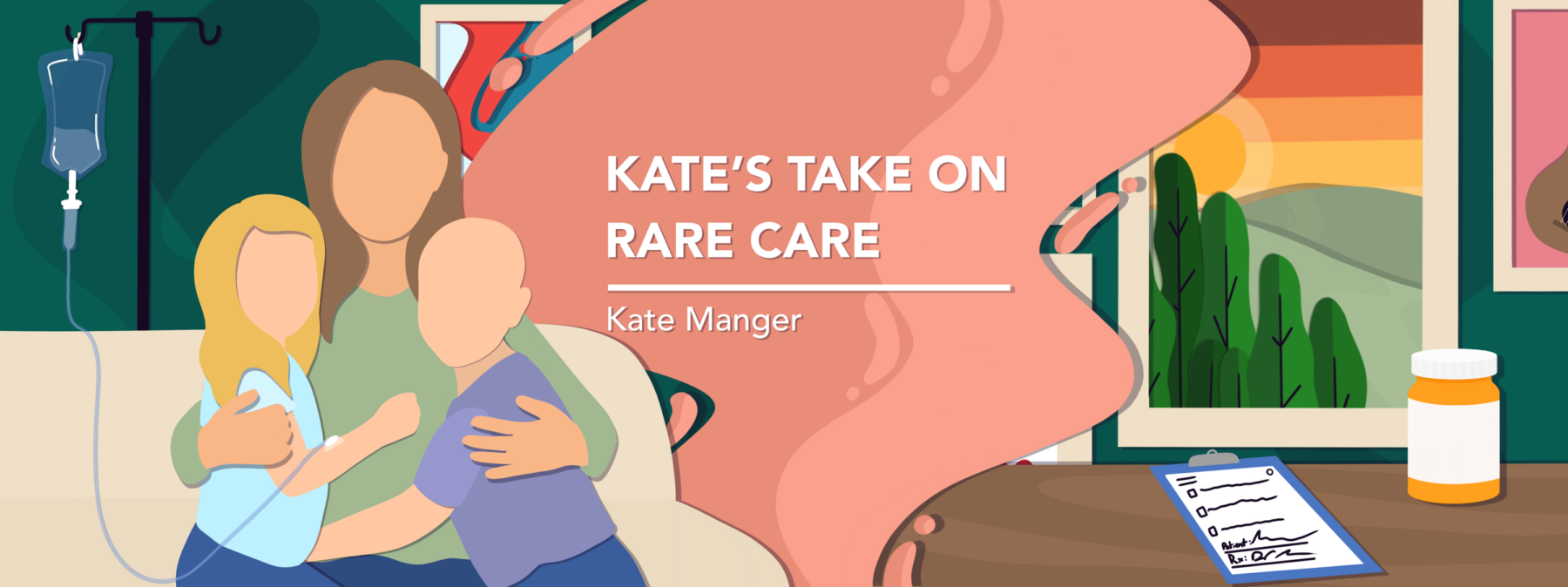
Every appointment starts the same way. The vitals get taken, the doctor does an overview, and we ask a few questions. Then the doctor turns to my daughter Caroline and asks, “Do you have any questions for me?”
Most of the time, her question is some version of “Has anyone invented anything new for Pompe disease?” Sometimes she’ll ask, “Am I going to have this for the rest of my life?”
She asks the questions in such a matter-of-fact way. Like the way a kid would ask if there’s cake at the birthday party. Hopeful, direct, and assuming the answer is yes.
Caroline has late-onset Pompe disease. At 8 years old, she still sees it as somewhat of an illness. When a problem appears, doctors work on it, and eventually someone finds the answer. For her, the only real question is when that will happen.

Of course, I love that she’s thinking about it. It means she has hope and feels supported by her family and team of doctors. It’s the kind of question that comes from a child who truly believes the world is working on her behalf, and I never want to take that away from her. Still, I’d be lying if I said I don’t brace myself a little every time the doctor starts to answer.
Sometimes the answer is yes, there’s something new. Her whole face lights up. Her shoulders lift. She wants to know what it does, and then, inevitably, the next question arrives: “So when will I not have Pompe anymore?”
That’s the moment I feel that familiar pit in my stomach. The honest answer is that it’s complicated. Sometimes a therapy is still in early trials. Sometimes a study is only open to adults. Even when something sounds promising, it could be years from approval, and even longer before it’s available for a child her age. I watch her take this in, and I see the light in her eyes dim just a little — not all the way, but enough. She’s learning, one appointment at a time, that a new development doesn’t always mean it’s ready for her.
Pushing for progress
I’ve come to believe that my job in these moments isn’t to soften the facts so much that they lose their meaning. She’s sharp, and she’ll know if I’m not being honest with her. My job is to help her hold two truths at once: We aren’t there yet, but we are so far from where we started.
Because we really are. Not that long ago, children with Pompe had no approved treatments available to them at all. The medicine Caroline receives today simply didn’t exist for kids born just a few years before her. Families sat in waiting rooms like ours, but with nothing to hope for. When I think about that, my throat tightens. I think of the parents who would have given anything for the infusion schedule we sometimes find ourselves complaining about.
I know all of this because I’m an adult who has done the reading, met the families, and sat through the conference talks. Caroline doesn’t fully know it. This is simply her life. Infusions are just something that happens, like school or brushing her teeth. You can’t feel grateful for something you’ve never experienced. Why would she? The past is a story I’m telling her. Her present is just Wednesday.
So I’ve been trying a different way in. I tell her that the medicine she gets exists because people before her asked the same question she does. Somewhere, a long time ago, a parent or a doctor or a kid wondered, “Has anyone invented anything yet?” and scientists answered by getting to work. Her question isn’t naive at all. It’s the very question that built the thing keeping her well. She’s part of a long line of askers.
I don’t know how much of that lands yet. Maybe she’ll understand it when she’s 12, or 20. For now, I’m just grateful that she keeps asking. A girl who expects progress is a girl who will push for it.
And honestly, I hope she never stops. At her next appointment, when she asks whether anything new has been invented, I’ll be sitting right beside her, hoping the answer is yes, and ready for whatever comes after.
Note: Pompe Disease News is strictly a news and information website about the disease. It does not provide medical advice, diagnosis, or treatment. This content is not intended to be a substitute for professional medical advice, diagnosis, or treatment. Always seek the advice of your physician or other qualified health provider with any questions you may have regarding a medical condition. Never disregard professional medical advice or delay in seeking it because of something you have read on this website. The opinions expressed in this column are not those of Pompe Disease News or its parent company, Bionews, and are intended to spark discussion about issues pertaining to Pompe disease.



Leave a comment
Fill in the required fields to post. Your email address will not be published.