
Learning to be comfortable with the uncomfortable as a rare disease parent
I’ve come to believe that stability, even if it’s temporary, deserves to be lived in
Written by |
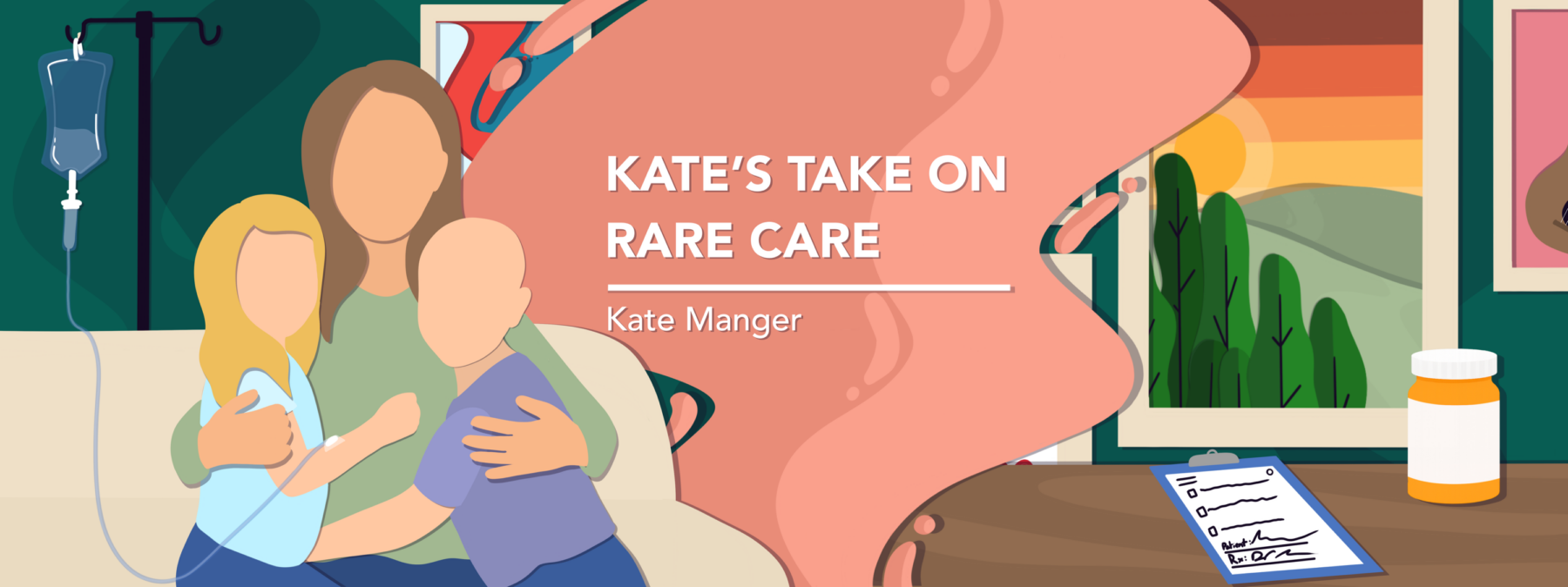
After my daughter Caroline was diagnosed with late-onset Pompe disease, I never imagined how complicated the idea of stability would become for our family.
Before rare disease entered our lives, stability felt simple. It was something you wanted, something you worked toward, and something that brought comfort and peace. Now, it’s something I long for but find myself struggling to trust, even when it’s right there in front of me.
When things are going well with Caroline, I want to feel relieved — and I do, at least a little. But there’s always a small voice in the back of my mind, quietly asking the same question: How long will this last?
Rare disease has a way of changing your relationship with certainty. You learn very quickly that life can shift in a single phone call, test result, or doctor’s appointment. Once you’ve experienced that kind of upheaval, it’s hard to fully settle into any season, even a good one.

I think families like ours become experts at living on a plateau. We spend so much time hoping for stability that when it finally arrives, it almost feels unfamiliar — like we’re not quite sure what to do with ourselves.
That plateau brings its own set of emotional challenges. When Caroline is doing well, appointments are uneventful, and treatments seem to be working, life starts to feel almost normal again. I catch myself thinking further ahead. I make plans without running through every possible scenario in my head. I start to imagine vacations, school years, holidays, and milestones, and for a moment, I let myself picture them without immediately attaching a backup plan to each one.
For a little while, life feels lighter. But then, almost without warning, the anxiety creeps back in because I know what this disease is capable of. I now know that stability doesn’t always mean things will stay that way. Every doctor’s appointment brings its own version of that anxiety.
Students of uncertainty
No matter how well things seem to be going, I walk into every appointment carrying questions that never really go away. What will the doctor say this time? Am I walking in believing everything is fine, only to learn there’s something I missed? Is there a change happening beneath the surface that I can’t see yet? Will today’s appointment be routine, or will it become one of those appointments that divides life into the “before” and “after”?
Most of the time, nothing dramatic happens. Usually, we leave with reassurance, a plan to keep doing what we’re doing, and another follow-up appointment on the calendar months away.
Yet the anxiety remains. Rare disease teaches you that feeling fine and being fine are not always the same thing. I’ve learned that you can have a wonderful month, even a wonderful year, and still find yourself holding your breath before every single appointment. It’s not because I’m pessimistic. It’s because I’ve been educated by experience.
The truth is, as rare disease parents, we spend years learning just how quickly things can change. We become students of uncertainty. We learn to celebrate good news, but we also know that good news today doesn’t promise good news tomorrow.
That knowledge can make it difficult to fully attach ourselves to stability. But I’ve also realized something important: The alternative isn’t any better.
I could spend every stable season waiting for disaster. I could refuse to make plans, to dream ahead, and to trust the good moments because they might not last. But what kind of life would that be? I’ve come to believe that stability, even if it’s only temporary, deserves to be lived in. It deserves to be enjoyed. It deserves to be trusted enough to make plans.
Whether a plateau lasts six months, six years, or a lifetime, it’s still real while we’re standing on it. I’ve realized that my job as a parent isn’t to predict what comes next. It’s not to prepare for every possible outcome or shield myself from disappointment.
My job is to stay present. To show up for today’s infusion. To attend today’s appointment. To celebrate today’s good report. To make the plans that make sense today. To enjoy the freedom and flexibility that exist today. And when anxiety starts to whisper that it won’t last, I remind myself that maybe that isn’t the point after all.
None of us knows how long any season of life will last. Rare disease simply makes that truth harder to ignore. So I keep my head in the game. I focus on what I can do, when I can do it. I celebrate the stability when it comes and let myself build a life within it — not because I’m certain it will last forever, but because this moment is here now. And as a rare disease parent, sometimes that’s the most meaningful certainty we have.
Note: Pompe Disease News is strictly a news and information website about the disease. It does not provide medical advice, diagnosis, or treatment. This content is not intended to be a substitute for professional medical advice, diagnosis, or treatment. Always seek the advice of your physician or other qualified health provider with any questions you may have regarding a medical condition. Never disregard professional medical advice or delay in seeking it because of something you have read on this website. The opinions expressed in this column are not those of Pompe Disease News or its parent company, Bionews, and are intended to spark discussion about issues pertaining to Pompe disease.

Leave a comment
Fill in the required fields to post. Your email address will not be published.