
How I’m coping with mom guilt since my daughter’s Pompe diagnosis
Her illness wasn't my fault, but guilt doesn’t always listen to reason
Written by |
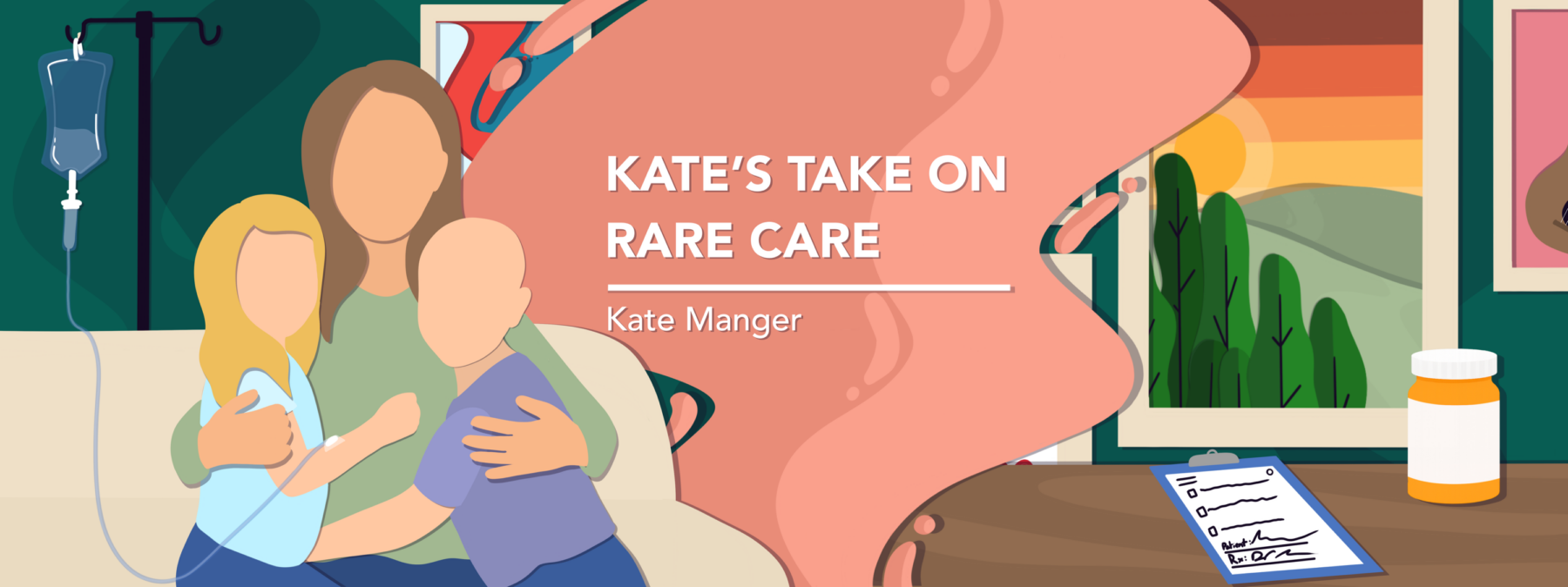
After my daughter Caroline was diagnosed with Pompe disease, the question that kept me up at night wasn’t what had happened or how. It was why. Why did this happen to her? Why our family? And why me?
I immediately began replaying my pregnancy. My husband and I had done everything we were supposed to do. We never missed an obstetrician appointment. We completed every recommended test. Every ultrasound was reassuring. Every appointment ended with the words every expectant parent hopes to hear: Everything looks normal. My pregnancy was wonderfully uneventful.
Caroline arrived, and for a few days, everything felt like it should. Then we got a phone call about her newborn screening. They said her tests showed “something.” I could hardly remember the heel prick at all. It was just one of those routine things that happen in the blur of those first days. I never could have guessed that those tiny drops of blood would reveal something that would change our family’s lives forever.

While we waited for more tests, my mind went in circles, searching for answers. Did I eat something wrong? Should I have exercised more? Taken different vitamins? Avoided something? The doctors told me none of those things could cause Pompe disease, but my heart just couldn’t let go of the questions.
Eventually, we learned the truth. Pompe disease is inherited. My husband and I are both carriers, and together, we unknowingly passed those genetic changes to Caroline. You would think that would bring some peace, finally having an answer. But instead, it brought a different kind of guilt, because one of those variants came from me.
I was the carrier of the rare genetic variant. I was the one who unknowingly passed it to my daughter. I know that sounds irrational. I know it isn’t really true. Caroline got her genes from both of us. Neither my husband nor I caused her Pompe disease. Genetics doesn’t work that way. But guilt doesn’t always listen to reason.
The hardest part was realizing there was nothing I could have done differently. We had no family history of Pompe disease. In fact, we had no family history that suggested we should pursue extensive genetic testing before having kids. We had no reason to believe we were carriers of something so rare that we had never even heard of it before.
We couldn’t have known. Yet I still felt like I should have. I think that’s what motherhood does to us. The moment our children are born, we assume responsibility for protecting them. So when something happens that we can’t fix, our hearts tell us we must have failed somehow.
Guilt and responsibility are not the same
It took years for my head and my heart to catch up to each other. My mind understood the genetics almost right away, but my heart took much longer. Therapy helped. Talking with other Pompe parents helped. Learning more about the disease helped, too. Slowly, I stopped asking myself what I could have done differently, because I finally accepted the answer: nothing. There was nothing I could have done.
And yet, every once in a while, those old feelings sneak back in. They usually show up during the hard moments. Like when Caroline is struggling with having a vein accessed for an infusion. Or when she’s upset about missing something fun because of a doctor’s appointment. Or when she looks at me with tears in her eyes and asks the same question I asked all those years ago: “Why?” In those moments, a small voice inside me still whispers something I know isn’t true.
Because of me.
Sometimes I want to tell her, “I’m sorry. This is my fault.” But it isn’t. I have to remind myself of that again and again. Not because I don’t understand genetics, but because I love my daughter so much. Love makes parents believe we should be able to protect our children from every hardship. But we can’t. None of us can. What we can do is show up. We can advocate. We can comfort. We can hold our children through the tears, celebrate the victories, and keep moving forward together.
I didn’t choose the genes I passed to Caroline, just as she didn’t choose the ones she inherited. But I can choose the kind of mother I am. So when guilt quietly knocks on my door again, as I know it will, I don’t let it stay. I notice it. I remind myself that guilt and responsibility are not the same. Then I come back to what is true.
I didn’t give Caroline Pompe disease. I gave her life. And every day since she arrived, I have done everything I can to help her live that life as fully and joyfully as possible. In the end, that’s the inheritance I hope she remembers most.
Note: Pompe Disease News is strictly a news and information website about the disease. It does not provide medical advice, diagnosis, or treatment. This content is not intended to be a substitute for professional medical advice, diagnosis, or treatment. Always seek the advice of your physician or other qualified health provider with any questions you may have regarding a medical condition. Never disregard professional medical advice or delay in seeking it because of something you have read on this website. The opinions expressed in this column are not those of Pompe Disease News or its parent company, Bionews, and are intended to spark discussion about issues pertaining to Pompe disease.

David Brown
Hang in there, Kate! My wife and I were blessed to have a Pompe grandchild. Julian was the smartest, sweetest, bravest child we could imagine. He's no longer with us, but he lives on every day in our hearts.