How I’m building a full life while living with Pompe disease
Finding joy, connection, and purpose through adaptation and advocacy
Written by |
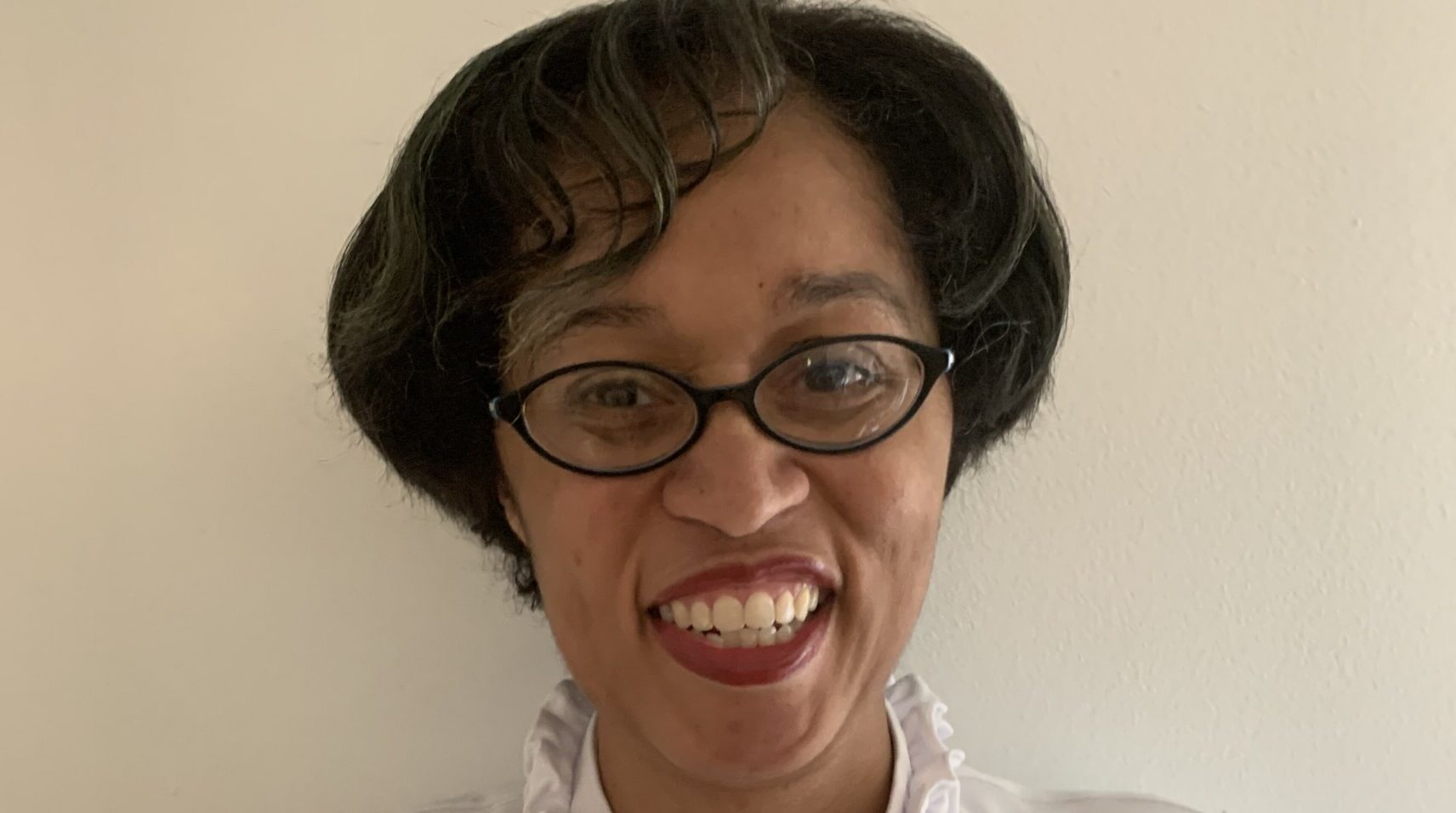
Heather Shorten founded the nonprofit Pompe Alliance. (Courtesy of Heather Shorten)
I didn’t grow up imagining I would become an advocate, a nonprofit founder, or someone who could speak openly about a rare genetic disease. Like many people living with Pompe disease, my story began long before I had the language to describe what was happening to my body. What I did know, even in the earliest years, was that life felt heavier for me than it seemed to for others — physically, emotionally, and sometimes spiritually. But heaviness is not the same as hopelessness. Over time, I learned that my life would be shaped not only by Pompe, but by the choices I made in response to it.
Pompe disease is a rare, inherited disorder that affects muscle strength and respiratory function. It changes how you move through the world — literally. Tasks that others take for granted often require planning, creativity, and patience. But what people don’t always see is how much determination, humor, and stubborn joy it takes to keep showing up every day. Living with Pompe is not simply a medical experience; it’s a life experience.
Making room for joy and family
For me, that life experience has been deeply intertwined with family and friends. My diagnosis didn’t stop us from building memories; it simply changed how we built them. We learned to adapt — sometimes in small ways, sometimes in big ones. We planned trips with rest breaks, chose activities that allowed me to participate fully, and celebrated victories that might seem minor to others but meant everything to us. I’ve hiked short trails with my kids, traveled to new places, checked items off my bucket list, and stood in moments of pure gratitude knowing that the effort it took to get there made the experience even more meaningful.
Pompe has taught me that joy is not the absence of difficulty; it’s the decision to keep living in color even when your body feels gray.
As my understanding of Pompe grew, so did my desire to make the path easier for others. That’s why I founded the Pompe Alliance — a nonprofit dedicated to education, support, and community connection. Rare disease can be isolating, not because people don’t care, but because so few truly understand. Creating a space where families can share their stories, access resources, and feel seen has become one of the most important parts of my life.
Advocacy isn’t just about raising awareness; it’s about raising people. It’s about helping someone feel less alone on the day they receive a diagnosis. It’s about connecting parents who are terrified for their child’s future. It’s about helping industry partners and medical professionals understand the lived experience of patients and families. It’s about making sure that every person living with Pompe knows their life is still full of possibilities.
Of course, there are hard days. There are moments when my muscles feel like they’re made of sand, when breathing takes more effort, or when fatigue steals hours I wish I could spend differently. But I’ve learned to honor those days rather than fight them. Rest is not weakness; it’s strategy. And resilience is not loud; it’s steady.
Pompe disease has shaped my life, but it has not defined its limits. I am a mother, a social worker, an advocate, a quilter, a creator, and a woman who still dreams boldly. I have built a life that includes medical realities but is not ruled by them. I have discovered strength in community, purpose in advocacy, and beauty in the small moments that remind me I am still very much alive.
If there is one message I hope others take from my story, it’s this: Pompe may change your path, but it does not erase it. You can still build, love, explore, contribute, and thrive. You can still write a story worth reading.
And I’m still writing mine.
This article was provided by our partner, Pompe Alliance. It has been reviewed by Bionews for accuracy and relevance. The views and opinions expressed are those of the author and do not necessarily reflect the views of Bionews or Pompe Disease News.