






Skip to content
Pompe Disease News logo
Newsletter
  • About Pompe
    What is Pompe disease?
    • Causes
    • Types
    • Symptoms
    • Diagnosis
    • Prevalence
    Treatments
    • Approved Treatments
    • Experimental Treatments
    • Non-drug Treatments
  • Living With
    Living with Pompe disease
    Exercise and physical therapy
    Fatigue
    Adaptive equipment
    Mental health
    Support groups and resources
    Diet
    Adaptive clothing
    Driving
    Navigating school and work
    Reproductive options
    Travel
  • Community
    Perspectives
    • Kate’s Take on Rare Care – Kate Manger
    Guest Voices
    More perspectives
    • Powering Through Pompe — Keara Engle
    • The Pompe Community Diaries – Anthony Wu
    • On the Road to Pompe — Dwayne Wilson
  • News
  • Resources
    Featured Topics
    • Living with Pompe
    • Pompe pathways
    Videos
    • Unstuck
    Advocacy partners
    FAQs

Looking beyond muscle strength in Pompe monitoring

More videos

Organize records

Moving quickly

Difficult clinics

Beyond labs

Calling backup

Balancing expertise

Testing effectivity

Patients' strategy role

Support staff aid

Active caregiving

See more videos

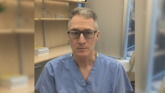
Mark Tarnopolsky, MD, discusses why functional measures, such as standing from a chair and climbing stairs, may provide a more meaningful picture of how Pompe disease affects daily life than traditional muscle strength testing alone.

Transcript

From a monitoring perspective, unfortunately, many clinics rely on what’s called the MRC grade, where you just check someone’s strength. The problem is that’s not very functional.

Read More

Most patients complain of can’t get out of a chair, can’t go up a flight of stairs. And if we think even about aging, those are the biggest determinants of someone’s disability and the need for assistive devices and for personal support workers.

And those are not well captured. So we are definitely advocating for — in our clinic, we test what’s called a Five Times Sit to Stand and going up a flight of stairs. Easy to implement in a clinic, and those functional tasks are rarely captured by most clinics.


More videos

How caregivers can change the course of Pompe disease
Roping in support staff when encountering Pompe care obstacles
How the patient helps the doctor with Pompe care
How doctors test whether a Pompe care plan is working out
See more videos

  Subscribe to our newsletter

Get regular updates to your inbox.

This field is for validation purposes and should be left unchanged.

Bionews Logo Bionews, Inc.

3 W Garden St
Suite 700
Pensacola, FL 32502
Website: bionews.com
Email: [email protected]
Phone: 1-800-936-1363

  • Pompe Disease News on Facebook
  • Pompe Disease News on X
  • Pompe Disease News on Instagram
  • Pompe Disease News on Pinterest
  • About Us
    • Our Culture
    • Our Communities
    • Leadership
    • Careers
    • Contact Us
  • Explore More
    • Advertising Policy
    • Corrections Policy
    • Editorial Policy
    • Privacy Policy
    • Terms of Service
    • Cookie Settings
Disclaimer

This site is strictly a news and information website about the disease. It does not provide medical advice, diagnosis or treatment. This content is not intended to be a substitute for professional medical advice, diagnosis, or treatment. Always seek the advice of your physician or other qualified health provider with any questions you may have regarding a medical condition. Never disregard professional medical advice or delay in seeking it because of something you have read on this website.

Copyright © 2013-2026 All rights reserved.

Log in

Don't have an account?

Log in

[wppb-login register_url="/register" lostpassword_url="/recover-password" ajax=true]

|

Register

Already have an account?

Register

Create your account by filling in the information below:

[wppb-register redirect_url="/welcome" ajax=true]

By creating an account, you are agreeing to the Privacy Policy and Terms of Service.

Reset Password

[wppb-recover-password ajax=true]